Prioritizing School Safety: John Calimente's Vision

Updated: 2 days ago
In recent years, the conversation around school safety has increased in SD45. Educators, parents, and policymakers are increasingly focused on creating secure environments for students. I will emphasize proactive measures, anti-bullying policies, restorative practices, and anti-discrimination standards that protect our children.
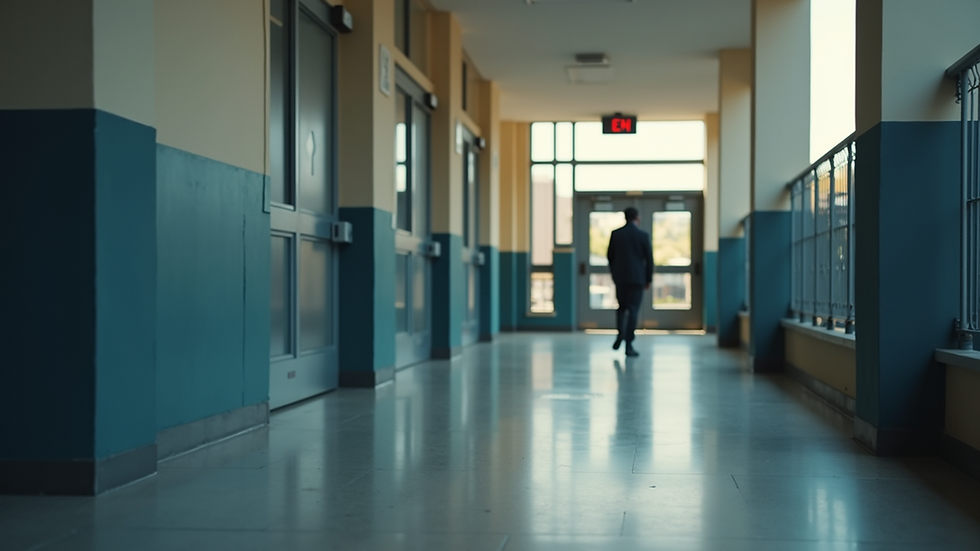
Understanding the Current Landscape of School Safety
The Rise of Safety Concerns
The statistics surrounding school safety are alarming. According to Child Indicators BC, about 50% of BC students in grades 7-12 reported that they have been bullied at school, on the way to or from school, or over the internet. These figures highlight the urgent need for effective safety measures.
The Role of Community
Community involvement is crucial in addressing safety concerns. Schools are not isolated entities; they exist within neighborhoods that play a significant role in shaping the safety of students. Engaging parents, local businesses, and law enforcement can create a supportive network that enhances safety protocols.
Vision for School Safety
Proactive Measures
I advocate for a proactive approach to school safety. This includes:
Anti-Bullying and Inclusive Classrooms: Maintain physical and emotional safety inside schools through proactive anti-bullying policies, restorative practices, and anti-discrimination standards.
Active and Safe Routes to School: Work with the District of West Vancouver to improve pedestrian crossings, expand bike/roll infrastructure, expand and better maintain sidewalks, and optimize pick-up/drop off zones around schools.
Equity in Mobility: Ensure that whether a student walks, rolls, bikes, takes transit, or arrives by car, their route is safe, accessible, and stress-free.
The Importance of Mental Health in School Safety
Addressing Mental Health Issues
Mental health plays a significant role in school safety. I advocate for:
Increased Access to Counseling: Schools should provide accessible mental health resources to support students struggling with emotional or psychological issues.
Awareness Campaigns: Educating students about mental health can reduce stigma and encourage those in need to seek help.
Continuous Improvement
Safety measures in SD45 should not be static. Regular assessments and updates to safety protocols are essential to adapt to changing circumstances. Our schools must remain proactive in their approach to safety.
Conclusion
My vision for school safety emphasizes the importance of proactive measures, community engagement, and innovative solutions. By prioritizing safety both in the classrooms and on the way to school, West Vancouver can create environments where students feel secure and supported.
Comments